
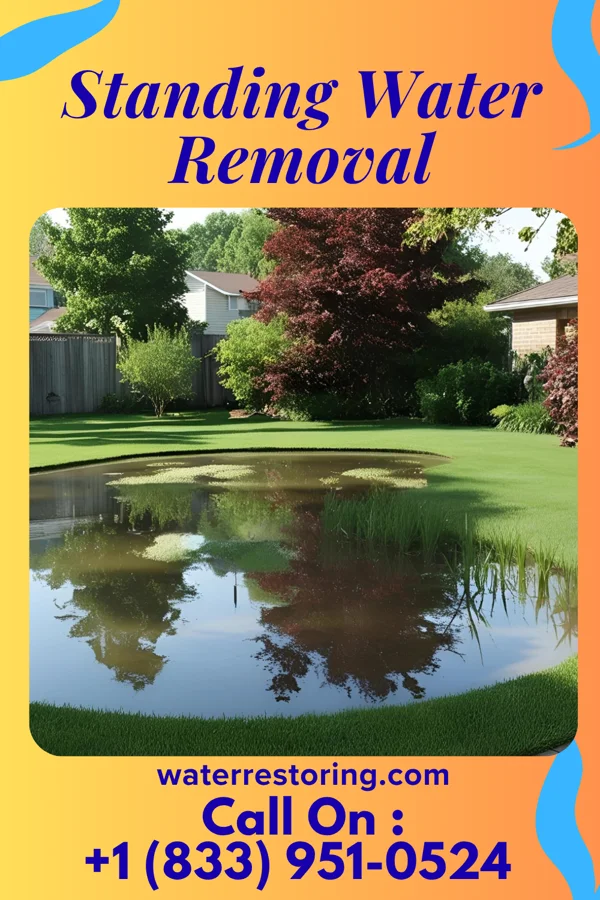
Common Standing Water Causes in Big Rock
Most standing water removal calls in Big Rock come from In Big Rock, Iowa, the primary water damage cause is often due to agricultural runoff and seasonal flooding from nearby rivers and streams, especially during spring thaw and heavy rainfall events. Additionally, outdated or poorly maintained septic systems in rural areas contribute to groundwater contamination and localized water intrusion.. A close second is Secondary causes include plumbing leaks from aging infrastructure in older homes, basement flooding from saturated soil, and water damage from livestock operations in agricultural buildings. These issues are common in the rural setting of Big Rock.. If you know what is about to happen, the decisions during the first 48 hours get a lot easier.
Big Rock experiences a humid continental climate with significant rainfall in the spring and summer, increasing the risk of water damage. The region's flat terrain and proximity to rivers make it particularly vulnerable to flooding and water accumulation.
Most standing water removal calls in Big Rock come from In Big Rock, Iowa, the primary water damage cause is often due to agricultural runoff and seasonal flooding from nearby rivers and streams, especially during spring thaw and heavy rainfall events. Additionally, outdated or poorly maintained septic systems in rural areas contribute to groundwater contamination and localized water intrusion.. Running a close second is Secondary causes include plumbing leaks from aging infrastructure in older homes, basement flooding from saturated soil, and water damage from livestock operations in agricultural buildings. These issues are common in the rural setting of Big Rock.. Local mold risk: Mold growth in Big Rock can occur rapidly due to high humidity and frequent rain, especially in poorly ventilated homes and barns. Prompt water damage mitigation is crucial to prevent mold spread and long-term structural issues.